
Book Appointment

How To Know If You Need Lymphatic Drainage And What Happens Next
Most people don’t know their lymphatic system exists: until it causes a problem.
It runs all through your body. It drains waste fluid. It helps fight infection. It keeps your tissues clear and healthy.
But (unlike your heart, which has a pump) your lymph system has no pump of its own. It depends on movement, breathing, and healthy circulation to keep flowing.
When it slows down, you feel it.
Puffiness that won’t go. Heaviness in your legs. Bloating. Slow recovery after surgery or illness. Skin that looks tired no matter what you try.
Lymphatic drainage (manual lymphatic drainage, or MLD) is the specialist treatment that helps your lymph system do its job properly again.
I’m Joanna Karto, founder of J Artistry Clinic in Coventry. I’m an NHS-trained healthcare practitioner with five years of clinical experience, and I’ve delivered lymphatic drainage in Coventry throughout that time as part of post-surgical recovery, post-partum care, and general body wellness.
This guide covers everything, in plain language. What it is. What it does. Who needs it. What a session feels like. And why it is very different from a spa massage.
While this guide focuses on lymphatic drainage in Coventry, the clinical principles covered here apply across the UK. Whether you are based in Coventry, Birmingham, the West Midlands, or have travelled elsewhere in the UK or abroad for surgery and need local post-operative support: the information below gives you what you need to understand your options and make an informed decision.
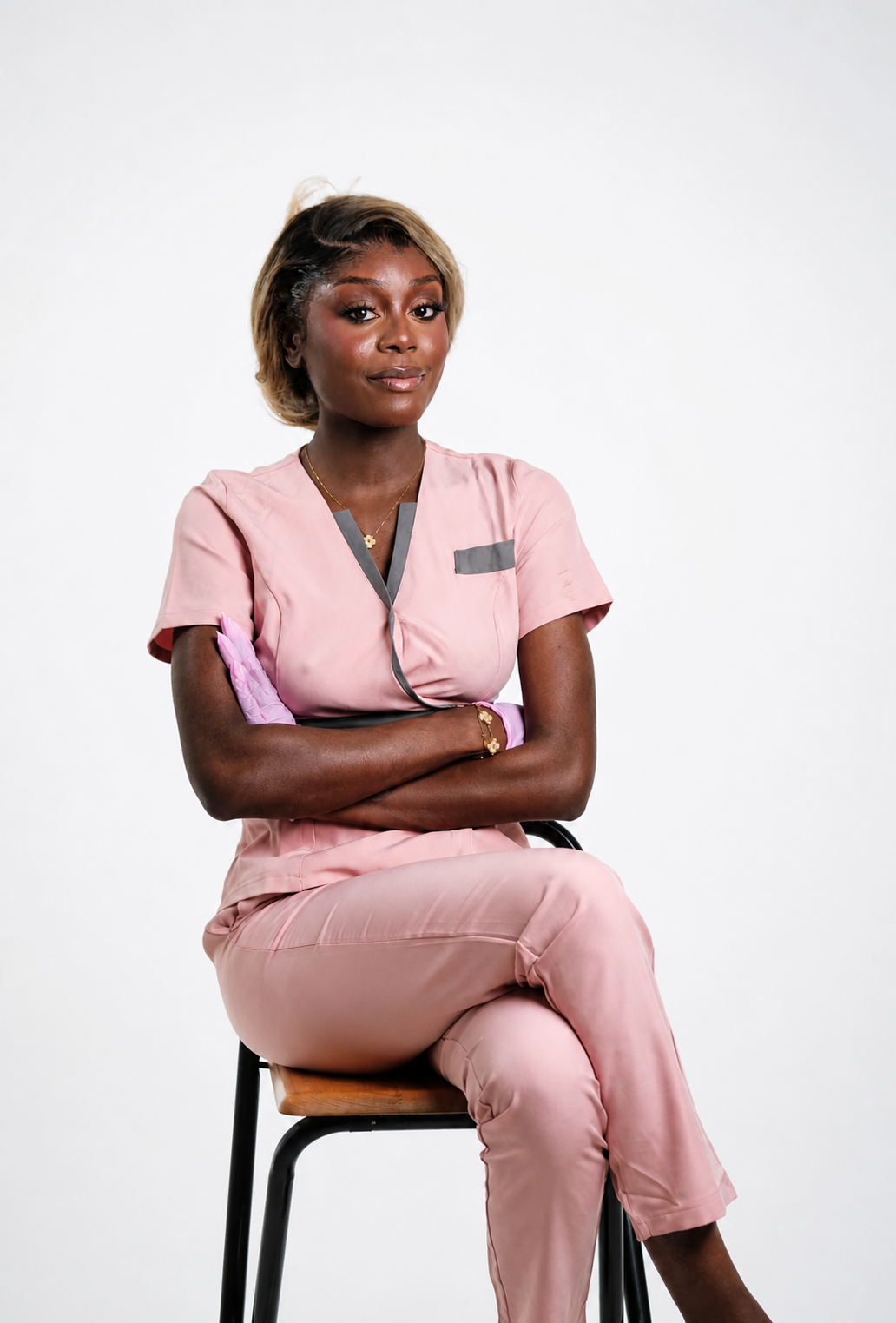
Written by
Joanna Karto
Founder & Healthcare Practitioner · J Artistry Clinic, Spon End, Coventry
NHS-Trained · VTCT Accredited · 5 Yrs Clinical Experience
Published 14 June 2026 · Reviewed and updated 8 October 2026 · Every claim checked against the original source · Next review: January 2027
⭐ 4.8 / 5 · based on verified client reviews
📋 What This Guide Covers
- What is lymphatic drainage? (Simple explanation)
- What it actually does to your body
- Who needs lymphatic drainage in Coventry?
- What does it feel like, before, during, and after?
- Clinical lymphatic drainage vs a spa massage, key differences
- How many sessions do you need?
- What to expect at a session at J Artistry Clinic
- When to speak with your GP first
- Frequently asked questions
This article is for information only. It is written by a qualified healthcare practitioner but is not personalised medical advice. Lymphatic drainage has contraindications. Always check with your GP or surgeon before booking if you have a health condition, have recently had surgery, or are pregnant.
Ready to book lymphatic drainage in Coventry? Speak with Joanna first: she’ll tell you exactly whether it’s right for you and what to expect.
What Is Lymphatic Drainage? A Simple Explanation
Quick Summary
Your body has two separate fluid systems. The first is your blood, pumped by your heart. The second is your lymph, a clear fluid that travels through a separate network of tubes (lymphatic vessels) and filters at small stations called lymph nodes. Your lymph carries away waste, fights infection, and keeps your tissue fluid balanced. Lymphatic drainage is a specialist hands-on treatment that helps move this fluid when it has slowed down or got stuck.
Your blood system and your lymph system run side by side through your whole body.
Here is the key difference between them, and why it matters.
Your Blood System
- Carries oxygen and nutrients to every cell
- Pumped by your heart, 24 hours a day, automatically
- Moves in a constant loop, never stops
- When the heart stops, the blood stops
Your Lymph System
- Drains waste fluid away from your tissues
- Has no pump, relies on movement, breathing, and muscle activity
- Can slow down, back up, or get overwhelmed
- When it slows, fluid builds up: you feel it as puffiness or heaviness
ⓘ Manual lymphatic drainage (MLD) uses gentle, specific hand movements to manually move lymph fluid through the vessels and toward the lymph nodes where it is filtered and cleared. The technique is very light: the lymphatic vessels sit just under the skin. Deep pressure is not needed and would be counterproductive.
Think of lymphatic drainage as manually pumping a system that would normally pump itself: but has slowed down due to surgery, illness, pregnancy, inactivity, or overload.
What Lymphatic Drainage Actually Does to Your Body
Quick Summary
Lymphatic drainage moves waste fluid away from congested areas toward functioning lymph nodes. This reduces swelling and puffiness, may support immune response, reduces pain and discomfort, and speeds recovery. In a post-surgical context, it specifically helps prevent the formation of fibrosis (hard scar tissue) by keeping lymphatic pathways clear during the healing window.
Here is what happens inside your body when you have a lymphatic drainage massage in Coventry: and why the effects are not instant but build over a course of sessions.
During the session: The gentle skin movements stimulate the lymphatic vessels to open wider and contract more actively, like giving a blocked drain a gentle pump. Fluid that has built up in the tissue starts moving toward the nearest functioning lymph nodes.
In the hours after: The body continues to process and filter the fluid that was moved. Many people notice that they need to pass more urine in the hours after a session: this is the cleared fluid being excreted. This is a good sign.
Over a course of sessions: The lymphatic vessels become more efficient. Chronic congestion clears progressively. Swelling reduces. Tissue softens. In post-surgical clients, the risk of fibrosis and seroma is significantly reduced.
NHS and Clinical Recognition
Manual lymphatic drainage (MLD) is recognised and used by the NHS for the treatment of lymphoedema, swelling caused by a damaged or overloaded lymphatic system. NHS lymphoedema clinics routinely prescribe short courses of MLD. The Royal Marsden NHS Trust describes MLD as “very different from therapeutic or aromatherapy massage”: it is a specialist medical technique that “encourages the lymph vessels to work harder and find new pathways to drain away lymph.” The British Lymphology Society is the professional body governing training standards for MLD in the UK. MLD UK (mlduk.org.uk) maintains a register of trained practitioners across the country, including in Coventry and the wider West Midlands.
Clinical evidence supports manual lymphatic drainage for reducing post-operative oedema, preventing fibrosis and adhesion formation, reducing pain, and improving cosmetic outcomes after body contouring procedures including liposuction, abdominoplasty, and breast surgery. The Cleveland Clinic and Medical News Today cite MLD as an evidence-based treatment for lymphoedema, chronic venous insufficiency, and post-surgical fluid management.Sources: Cleveland Clinic: Lymphatic Drainage · Royal Marsden NHS: Lymphatic Drainage
Who Needs Lymphatic Drainage in Coventry?
Quick Summary
Lymphatic drainage is not only for people with a medical condition. It is used clinically for post-surgical recovery, post-partum support, and management of lymphoedema. It is also used by people who want to reduce bloating, improve circulation, support their immune system, and help their body recover from illness, travel, or a period of low activity. Almost every week I see clients in Coventry who have never thought of lymphatic drainage: and are surprised by how different they feel after just a few sessions.
Lymphatic drainage in Coventry at J Artistry Clinic is for a wide range of people. Here is a plain-language guide to who it helps and why.
After Surgery (Liposuction, BBL, Tummy Tuck, Breast Work)
Surgery disrupts your lymphatic network. Without drainage support, fluid builds up, fibrosis forms, and your final result is compromised. Lymphatic drainage after surgery is the most clinically important use of this treatment, and should begin within 24–72 hours of most procedures, timing always defers to your surgeon’s specific guidance. This includes people who have had surgery in Turkey or elsewhere abroad and returned to Coventry.
Start: within 24–72 hrs · Frequency: 2–3x/weekAfter Having a Baby (Post-Partum Recovery)
Pregnancy and childbirth put enormous strain on the lymphatic system. Swelling in the legs, ankles, abdomen, and face is very common after birth: and can persist for weeks without support. Post-partum lymphatic drainage in Coventry reduces this swelling, helps the body process the dramatic fluid shifts after birth, and supports overall recovery. It is gentle, safe after birth (once cleared by your midwife), and can make a significant difference to how new mums feel in the weeks after delivery.
Start: once midwife clears · Frequency: 1–2x/weekBloating and Water Retention
If you feel heavy, puffy, or bloated, and your clothes fit differently from one day to the next, your lymphatic system may be congested. This is one of the most common reasons people seek lymphatic drainage massage in Coventry who have no surgical background. A course of sessions progressively clears the congestion. Many clients describe it as the treatment that finally makes them feel like themselves again.
Course: 4–6 sessions · Then monthly maintenanceLymphoedema and Chronic Swelling
Lymphoedema is a condition where the lymphatic system is permanently damaged, often as a result of cancer treatment, surgery involving lymph nodes, or injury. Manual lymphatic drainage (MLD) is the primary clinical treatment recommended for lymphoedema in the UK and is available through both NHS lymphoedema clinics and private practitioners. At J Artistry Clinic, Joanna will always ensure GP involvement for clients with diagnosed lymphoedema.
Ongoing management · GP coordinationAthletic and Sports Recovery
High-intensity training places a significant demand on the lymphatic system. MLD may help reduce post-exercise oedema, the fluid build-up in muscle tissue that contributes to the heaviness and stiffness you feel after hard training sessions. It can also support the body’s clearance of cellular debris produced during muscle repair. Evidence in sports recovery specifically is still developing, but MLD is widely included in professional recovery therapy protocols at clinical and elite level. It is particularly useful during intensive training blocks, after events, or alongside injury rehabilitation. It is particularly valuable after events, intensive training blocks, or when injury recovery is a priority.
1–2x per week during intensive trainingGeneral Wellness, Skin Health, and Immune Support
You do not need a medical diagnosis to benefit from lymphatic drainage. Regular sessions may support immune function, improve skin clarity and circulation, reduce the feeling of fatigue and heaviness, and leave most clients feeling lighter and more energised. Think of it as maintenance for your body’s natural drainage system, the equivalent of clearing a blocked filter.
Monthly maintenance · Wellness plan availableWhat Does It Feel Like: Before, During, and After?
Quick Summary
Most people expect lymphatic drainage to feel like a massage. It doesn’t, and that surprises many first-time clients in a good way. The technique is extremely gentle. The pressure is barely more than the weight of a hand resting on the skin. Yet the results can be dramatic. Here is what clients typically experience.
Before
Heavy. Puffy. Tight. Bloated. Tired. Skin feels congested. Clothes feel tighter than they should. Recovery after surgery or exercise feels slow.
During
Extremely gentle. Deeply relaxing. Many people fall asleep. A calm, rhythmic pressure. No pain at all. Warmth spreading gradually through the treated area.
After
Lighter. Less puffy. Skin looks clearer. More energy. Easier to move. Some clients pass more urine: this is the waste fluid being cleared. Results build across a course of sessions.
First-time clients often ask: “If it’s that gentle, how can it do anything?”
The answer is that the lymphatic vessels, the tubes your lymph travels through, are very close to the surface of the skin. They respond to light touch. Firm pressure actually compresses them shut. Lightness is what opens them up and gets them moving.
This is why a regular massage or deep tissue work is not a substitute. The technique has to be right, not just the intention.
Curious about whether lymphatic drainage is right for you? A short conversation with Joanna gives you a clear, honest answer before you commit to anything.
Clinical Lymphatic Drainage vs a Spa Massage: What’s the Difference?
Quick Summary
The word “massage” can be misleading when it comes to lymphatic drainage. Many spas and beauty salons offer “lymphatic massage” or “drainage massage.” These treatments may feel lovely: but they are not the same as manual lymphatic drainage (MLD) delivered by a clinical practitioner. The difference is not about luxury vs budget. It is about training, technique, and safety: particularly if you have had surgery, have a health condition, or have lymphoedema.
| What to Compare | Clinical MLD: J Artistry Clinic | Spa / Beauty “Lymphatic Massage” |
|---|---|---|
| Practitioner Training | NHS-trained healthcare practitioner, VTCT accredited, MLD-specific training | Beauty therapy or massage certificate (MLD not required) |
| Technique Used | Anatomically specific drainage sequences following the lymphatic system’s pathways | General light massage: may not follow lymphatic anatomy |
| Contraindication Assessment | Full health assessment before every course, identifies when NOT to treat | General health disclaimer form |
| Safe After Surgery? | Yes, protocol adapted to procedure, healing stage, and surgeon guidance | Not appropriate, risk of disturbing healing tissue |
| Safe for Lymphoedema? | Yes, with GP coordination, clinical monitoring | Not recommended: incorrect pressure can worsen the condition |
| Clinical Overview | Written clinical notes and personalised guidance after every session | General relaxation feedback |
| Plan Adjusts Over Time | Yes: technique and focus change as healing progresses | Same session each visit regardless of condition |
The Royal Marsden NHS Trust puts it plainly: lymphatic drainage “is very different from therapeutic or aromatherapy massage which can cause friction to the skin and increase the blood supply”, which actually produces more lymph rather than clearing it.
If you are coming for lymphatic drainage after surgery, because of lymphoedema, or for a specific clinical reason: clinical training is not optional. It is the whole point.
How Many Sessions Do You Need?
Quick Summary
The number of sessions you need depends entirely on why you are having lymphatic drainage. A single wellness session can be useful, but most clinical goals (reducing post-surgical swelling, managing lymphoedema, clearing chronic bloating) require a course of sessions over several weeks. At J Artistry Clinic in Coventry, the right number is discussed at your clinical consultation based on your specific situation, not sold as a fixed package before your assessment.
Here is a simple guide to expected session numbers by situation.
1
After Liposuction or Body Contouring Surgery
Recommended: 2 to 3 sessions per week for the first month. Then weekly for months two and three. Total: typically 12 to 20 sessions. The goal is to prevent fibrosis, reduce swelling, and support the body as it heals around the surgical changes. Read our full guide to post-op care after surgery for the complete picture.
2
Post-Partum (After Having a Baby)
Recommended: 1 to 2 sessions per week for 4 to 6 weeks. Total: typically 6 to 10 sessions. The goal is to help the body clear the dramatic fluid shifts of pregnancy and childbirth, reduce swelling in the legs and abdomen, and support overall recovery. Timing depends on your birth experience and midwife’s clearance.
3
Bloating and Water Retention
Recommended: 1 session per week for 4 to 6 weeks initially. Then monthly maintenance once results are established. Most clients notice a visible and felt difference within the first 3 sessions.
4
Lymphoedema Management
Recommended: An initial intensive course determined in coordination with your GP or lymphoedema team, followed by long-term maintenance. The number of sessions is highly individual and depends on the severity and underlying cause of your lymphoedema.
5
General Wellness and Maintenance
Recommended: Start with 3 to 4 sessions spaced weekly to establish a clear baseline. Then monthly maintenance as needed. Many clients build this into their regular wellness routine: similar to how they might book a physiotherapy or osteopathy session monthly.
What to Expect at a Session at J Artistry Clinic, Coventry
Quick Summary
A lymphatic drainage session at J Artistry Clinic in Coventry is quiet, calm, and gentle. You do not need to do anything except lie still and breathe. Sessions last 45 to 60 minutes. Most clients feel deeply relaxed, many fall asleep. The room is warm and private. There is no deep pressure, no discomfort, and no recovery time needed. You can return to your normal day straight after. Before and after every session, Joanna takes a few minutes to assess your situation and explain what she is observing.
Here is what to expect from your first lymphatic drainage session at J Artistry Clinic in Coventry, step by step.
Before your first session: Drink plenty of water. Wear comfortable, loose clothing. Avoid a heavy meal immediately beforehand. Bring any medical notes or surgical discharge papers if relevant to your treatment.
At the start of every session: Joanna spends a few minutes asking about your current symptoms, how you have felt since the last session (or since surgery, or since birth), and what she should focus on. She assesses the areas of concern before any treatment begins. Nothing is assumed: everything is checked.
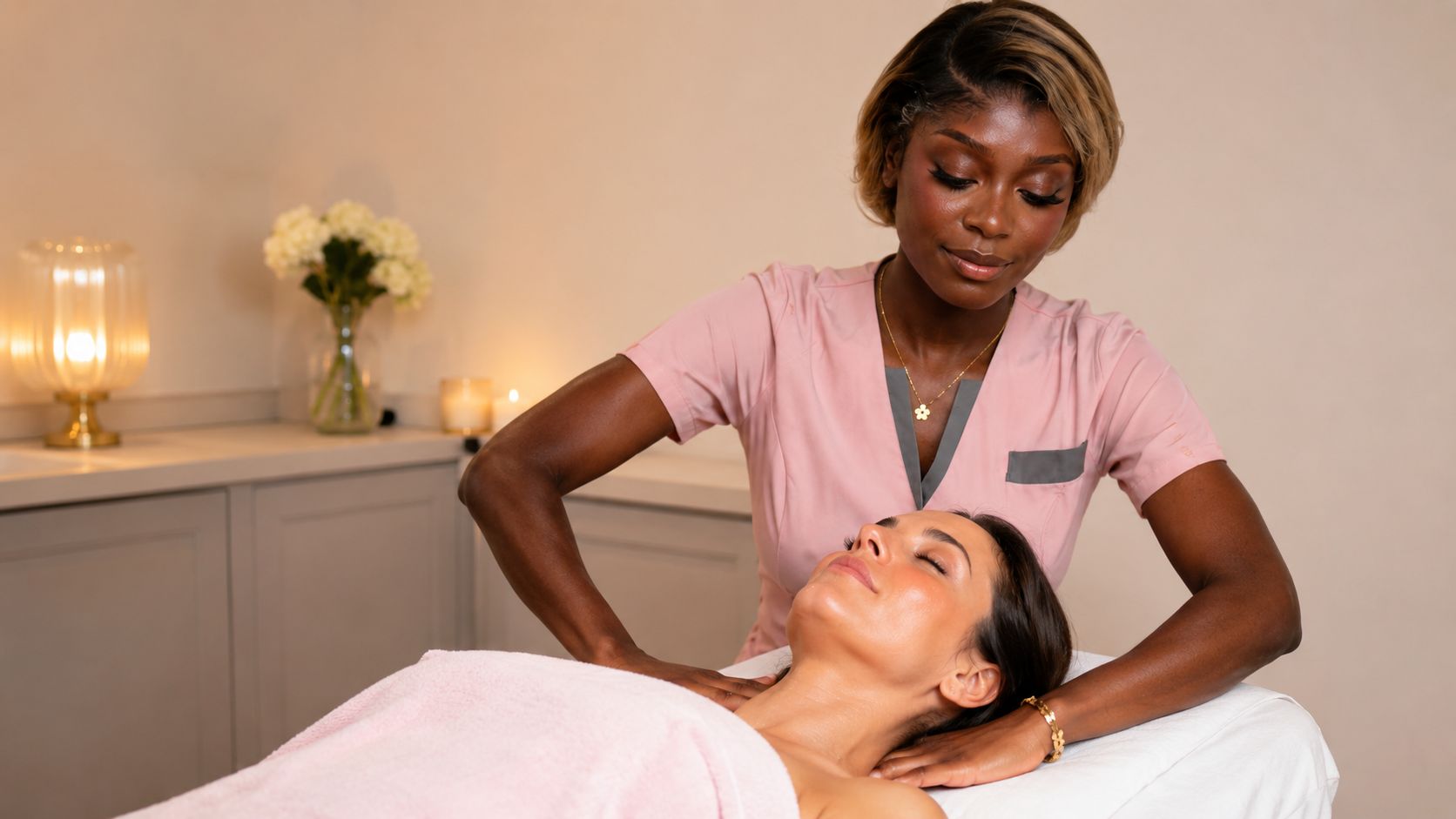
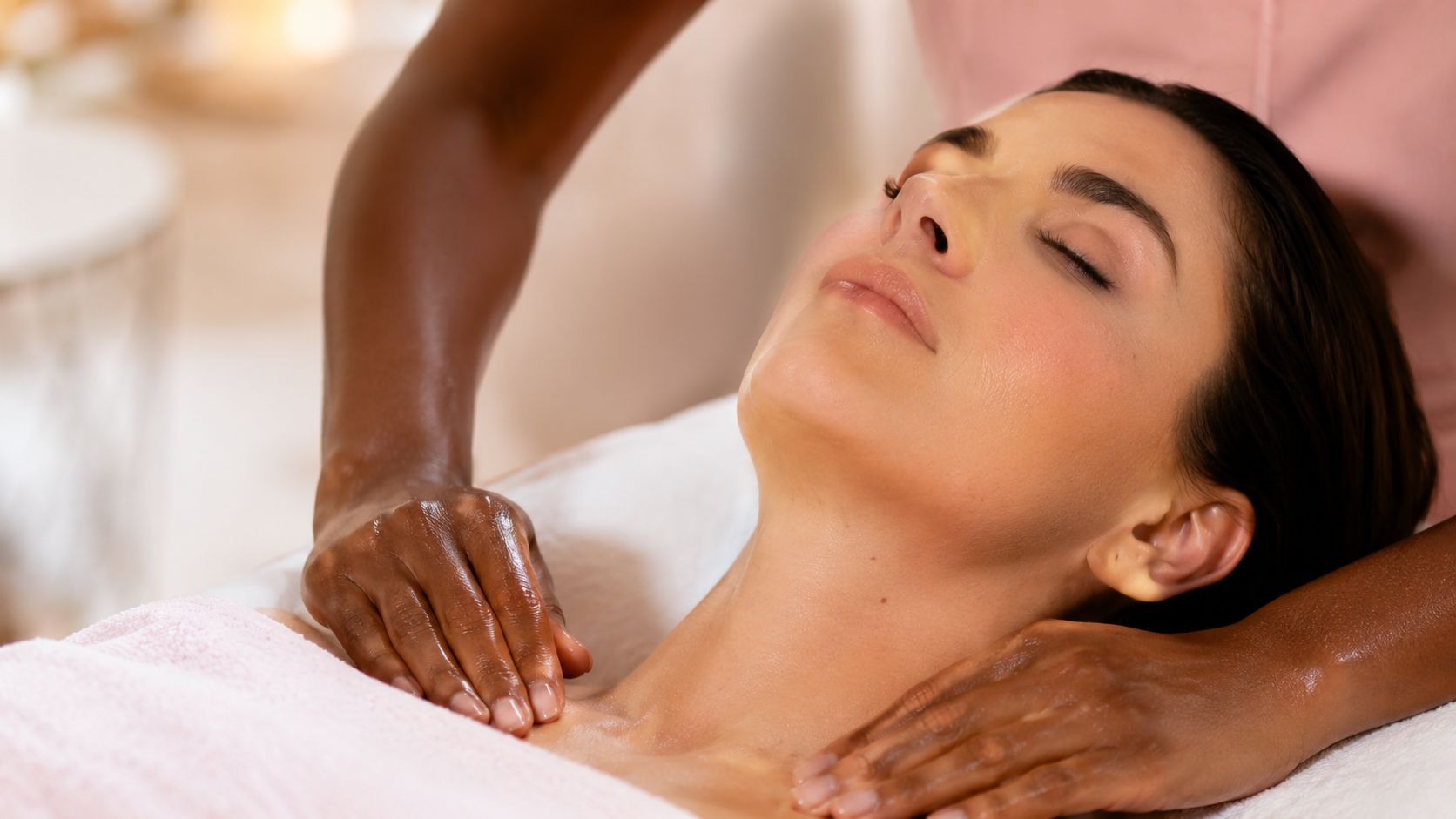
During the session: You lie comfortably on a treatment couch, draped appropriately for warmth and privacy. The technique is extremely light, a gentle, rhythmic stroking and stretching of the skin in specific directions that follow the anatomy of the lymphatic system. There is no oil, no strong pressure, and no discomfort. Most people find it profoundly calming. Sessions last 45 to 60 minutes.
After the session: Joanna gives you a brief clinical overview, what she observed during the treatment, what she noticed about your lymphatic flow or healing, and specific guidance for the next few days. You receive this verbally and in writing. You can return to your normal activities immediately.
Between sessions: Drink at least 1.5 to 2 litres of water. Light walking is helpful. Avoid alcohol for 24 hours. Avoid saunas or very hot baths on the day of treatment. Wear any compression garments as directed.
Sessions are available at J Artistry Clinic, Arches Estate, Spon End, Coventry, approximately 8 minutes’ walk from Coventry city centre. Street parking is available on Spon End. Mon to Sat 10am to 8pm.
When to Speak With Your GP First
Do Not Book Lymphatic Drainage Without Speaking to Your GP First If You Have:
- An active infection, fever, or acute inflammation anywhere in the body
- Diagnosed congestive heart failure or kidney disease that affects fluid levels
- A blood clot (DVT) or suspected blood clot: do not book until your GP has cleared you
- Active cancer, or cancer history where lymph nodes have been removed: your oncology team should be consulted first
- Very low blood pressure: the relaxation response from MLD can lower blood pressure temporarily
- Unexplained swelling that has not been medically investigated: see your GP to rule out a medical cause before booking aesthetic or wellness treatment
At J Artistry Clinic, Joanna completes a full health assessment before every treatment course. If she identifies a contraindication during your consultation, she will tell you clearly and refer you back to your GP before any treatment begins. This is not an inconvenience: it is how a clinical practice should work.
Results · Recovery Journeys · Wellness
See Real Results From J Artistry Clinic’s Lymphatic Drainage Clients
Follow J Artistry Clinic on Instagram for real client recovery journeys, post-partum care updates, and a look inside what clinical lymphatic drainage in Coventry actually looks like in practice.
Lymphatic Drainage
Post-Surgery Recovery
Post-Partum Care
General Wellness
Follow J Artistry Clinic on Instagram →
Frequently Asked Questions: Lymphatic Drainage in Coventry
Plain-English answers to the questions people ask most often, including those appearing in Google’s “People Also Ask” for this topic.
It helps your body’s waste-removal system do its job properly. Your lymph system collects waste fluid from your tissues, filters it at your lymph nodes, and returns clean fluid to your bloodstream. When this system slows down, fluid builds up and you feel puffy, heavy, or swollen.
Lymphatic drainage uses gentle, specific hand movements to manually move that fluid through the lymphatic vessels toward the lymph nodes where it can be cleared. The results are reduced puffiness and swelling, may support immune response, clearer skin, and faster recovery after surgery or illness.
No: lymphatic drainage is one of the gentlest clinical treatments available. The pressure is deliberately very light, because the lymphatic vessels sit just beneath the skin. Deep pressure would actually close them rather than open them.
Most clients describe the session as deeply relaxing: many fall asleep during treatment. There should be no pain whatsoever. If you feel any discomfort, the pressure is too heavy and your practitioner should adjust it. At J Artistry Clinic in Coventry, technique is always adjusted to your comfort level.
At J Artistry Clinic in Coventry, lymphatic drainage sessions start from £93.50 per session. Course bookings offer meaningful savings. All pricing is explained at your consultation: no hidden costs, and no pressure to book a package before your situation is fully assessed.
It depends on why you are having it. After surgery: typically 2 to 3 sessions per week for the first month. After having a baby: 1 to 2 sessions per week for 4 to 6 weeks. For general wellness and bloating: weekly sessions initially, then monthly. For lymphoedema: as determined by your clinical assessment and GP coordination.
At J Artistry Clinic, Joanna builds your specific plan at consultation: nothing is decided by a menu before your situation is understood.
Yes: and this is one of the most common reasons people come to J Artistry Clinic for lymphatic drainage who have no surgical history. When the lymphatic system slows down, excess fluid sits in the body’s tissue, creating that heavy, bloated, puffy feeling. Lymphatic drainage massage in Coventry helps move that fluid toward the lymph nodes where it gets cleared.
Many clients notice their bloating and puffiness reduce noticeably within just a few sessions. It is not a treatment for bloating caused by food intolerance, gut conditions, or hormone changes: see your GP if the bloating is severe or long-standing, as those require medical assessment first.
For most body contouring procedures (liposuction, BBL, tummy tuck), many clinical protocols recommend beginning within 24 to 72 hours, always subject to your surgeon’s specific instructions, which take priority over any general guideline. Starting early, before swelling peaks, significantly reduces fluid build-up and lowers the risk of fibrosis (hardened scar tissue) forming.
If you are unsure about your specific procedure and timing, bring your surgeon’s discharge notes to your first appointment at J Artistry Clinic. Joanna will advise based on what you had done and when. Read our full guide to post-op care after surgery for more detail on what your body needs after surgery.
They are very different. A regular massage uses firm pressure on muscles for relaxation or tension relief. It increases blood flow. Lymphatic drainage is much lighter, it targets the lymphatic vessels just under the skin, not the muscles. The movements are gentle, rhythmic, and follow the specific anatomy of the lymphatic system.
Using standard massage pressure over a post-surgical area, or an area with compromised lymphatic flow, can actually cause harm. Always ensure your practitioner has specific MLD training, not just general massage qualifications. At J Artistry Clinic in Coventry, Joanna has both the clinical training and NHS background to deliver lymphatic drainage safely and effectively.
Not exactly. Lymphatic drainage reduces water retention and puffiness: so the body can look and feel slimmer after sessions, and you may temporarily weigh less as excess fluid is cleared. But it does not burn fat or reduce fat cells.
If you want clinical fat reduction, J Artistry Clinic’s body transformation treatments, including cryolipolysis (fat freezing) and ultrasound cavitation, are the more appropriate options. Lymphatic drainage is an excellent complement to those treatments, helping the body process and clear the disrupted fat content after treatment.
Lymphatic drainage can help with pregnancy-related swelling in the legs, ankles, and hands, but only under specific conditions. Your midwife or GP must clear you first. The practitioner must have specific training in pregnancy care. And the technique must be adapted for pregnancy.
If you are currently pregnant and considering lymphatic drainage in Coventry, please speak with Joanna directly by WhatsApp or phone before booking so she can advise clearly on whether and when it is appropriate for your stage of pregnancy.
Before: Drink plenty of water (being hydrated helps the lymph move more easily). Avoid a heavy meal immediately beforehand. Wear comfortable, loose clothes. Bring any relevant medical notes.
After: Drink at least 1.5 to 2 litres of water. Skip alcohol for 24 hours. Take a gentle walk if you can. Avoid saunas, hot baths, or vigorous exercise for the rest of the day. You may need to pass urine more than usual: this is the cleared fluid being excreted. It is a good sign. Joanna will give you specific written guidance at the end of every session.
Lymphatic drainage is not appropriate for everyone. Do not book without speaking to your GP first if you have an active infection, untreated congestive heart failure, active blood clots (DVT), active cancer without oncology team approval, or certain kidney conditions that affect fluid balance.
At J Artistry Clinic, a full health assessment happens before every treatment course. If Joanna identifies a contraindication, she will tell you clearly and refer you to your GP for clearance before proceeding. This is standard clinical practice, not a barrier to treatment.
Book Lymphatic Drainage in Coventry
J Artistry Clinic is based at Arches Estate, Spon End, Coventry, approximately 8 minutes’ walk from the city centre. Joanna delivers every session personally. Your first consultation is a full clinical assessment, not a sales conversation. She will tell you exactly what your body needs, what to expect, and what a realistic course of treatment looks like for your situation.
Prefer to call? +44 7591 092255: Mon to Sat 10am to 8pm
📍 J Artistry Clinic · Arches Estate, Spon End, Coventry, CV1 3JQStreet parking on Spon End · Same-day appointments available
Privacy Policy
Wellness Resources & References
- Royal Marsden NHS Trust. Lymphatic drainage, guidance for patients. royalmarsden.nhs.uk
- Royal Cornwall NHS Trust (2025, V3). Manual lymphatic drainage, patient information leaflet. doclibrary-rcht.cornwall.nhs.uk
- Macmillan Cancer Support. Lymphatic drainage for lymphoedema. macmillan.org.uk
- Cleveland Clinic (2024). Lymphatic drainage massage: what it is, what it does, whether you need it. my.clevelandclinic.org
- Medical News Today (2025). Lymphatic drainage massage: benefits and how to perform. medicalnewstoday.com
- WebMD (2025). Lymph drainage massage: benefits and risks. webmd.com
- Boots Health Hub (2026). Does lymphatic drainage work? The evidence reviewed. boots.com
- British Lymphology Society. Standards and guidance for MLD practitioners in the UK. thebls.com
- Perea Clinic (2024). How do you treat fibrosis after liposuction, BBL or tummy tuck? pereaclinic.com
- LipoTherapeia London (2025). What is fibrosis after liposuction: causes, prevention and treatment. lipotherapeia.com
- Carely Clinic (2026). Lymphatic massage after BBL: a complete guide. carelyclinic.com
- NHS (2024). Lymphoedema, diagnosis and treatment. nhs.uk
- NICE (2019, reviewed 2024). Lymphoedema: diagnosis and management. nice.org.uk
- MLD UK. Register of trained manual lymphatic drainage practitioners in the UK. mlduk.org.uk
- Vairo GL, et al. (2009). Systematic review of efficacy for manual lymphatic drainage techniques in sports medicine and rehabilitation. Journal of Manual & Manipulative Therapy. pmc.ncbi.nlm.nih.gov
Medical disclaimer. This article is educational and does not replace individualised advice from your GP or a qualified clinician. Read our full medical disclaimer.