Book Appointment


The Best Diet to Lose Belly Fat For Better Health
A study published in the International Journal of Obesity in 2026, drawing on 156,764 UK adults from the UK Biobank, found something worth pausing on.
People who most closely followed the NHS Eatwell Guide, Britain’s own official healthy eating model, had 25% lower odds of being classified as overweight or living with obesity than those who followed it least, alongside smaller waist circumference and lower trunk body fat.[1]
Not a fashionable diet from a bestselling book.
The same balanced plate that has been on the back of NHS leaflets for years.
That finding matters because it cuts through a great deal of noise.
If you search for the best diet to lose belly fat on Google, you will find a hundred versions of the same list: green tea, avocados, apple cider vinegar, some food that supposedly melts fat while you sleep.
None of that reflects how visceral fat, the fat sitting deep around your organs rather than just under your skin, actually responds to what you eat.
That is why I took the time to research and develop a more detailed and careful answer.
I have checked every statistic here against the original published paper rather than a press release, and where the evidence is observational rather than experimental, I say so plainly.
You deserve to know how strong the evidence behind each recommendation actually is.

Written by
Joanna Karto
Founder & Healthcare Practitioner · J Artistry Clinic, Spon End, Coventry
NHS-Trained · VTCT Accredited · 5 Yrs Clinical Experience
Published 21 August 2026 · Reviewed and updated 8 October 2026 · Every figure checked against the original paper · Next review: January 2027 · 18 min read
⭐ 4.8 / 5 · based on verified client reviews
📋 What This Guide Covers
- The honest truth about diet and belly fat
- What the strongest evidence actually shows
- Which dietary approach suits you?
- Building your plate the right way
- Best foods to eat, graded by evidence
- How much protein you actually need
- What to limit, in order of priority
- UK foods that fit, without the price tag
- Your shopping list, organised
- A 7-day example meal plan
- A realistic 4-week plan
- How to measure whether it is working
- Belly fat or bloating? How to tell
- Can you lose belly fat without losing weight?
- Where to focus first, ranked
- Common mistakes that stall progress
- Safety: who needs medical advice first
- When diet alone is not enough
- Frequently asked questions
Medical disclaimer and scope. This article is an evidence-based educational resource written by an NHS-trained healthcare practitioner. It is not individualised dietetic advice and does not replace care from a registered dietitian, GP or specialist.
If you are pregnant or breastfeeding, have diabetes, kidney, liver or gallbladder disease, a history of disordered eating, are under 18, or take regular medication, please read the safety section before making changes. Read our full medical disclaimer.
The 30-Second Answer
What is the best diet to lose belly fat?
For most people, the best-supported approach is a Mediterranean-style eating pattern built on the UK Eatwell Guide, with plenty of vegetables, beans and pulses, wholegrains, fruit, lean protein and unsaturated fats, while reducing free sugar, alcohol and ultra-processed food, alongside a moderate calorie deficit.
There is no single food that burns belly fat, and no crash diet or detox outperforms a pattern you can actually sustain. A healthy lower-carbohydrate approach also works well if it suits your appetite and routine.
The strongest evidence for reducing visceral fat specifically favours diet quality, adequate protein and fibre, and consistency over months, not any single ingredient.
Eat: veg, beans, wholegrains, protein
Limit: sugary drinks, alcohol, UPF
Measure: waist, not just weight
Timeframe: months, not days
Want this turned into targets for your body rather than general advice? Our free tool works out your calorie, protein and fibre targets from your own numbers.
The honest truth about diet and belly fat
Let me start with the thing most articles on this topic will not tell you plainly.
No single food burns, melts or eliminates belly fat.
Fat loss from your midsection happens the same way it happens anywhere else on your body, through a sustained calorie deficit.
Your body does not let you choose where it draws that fat from, which is why targeted “belly fat foods” are marketing rather than physiology.
So why do I spend the rest of this guide talking about specific foods and dietary patterns at all, if no food is special?
Because of a finding from a randomised controlled trial that is genuinely difficult to explain away.
In a randomised controlled trial called DIRECT PLUS, 294 adults were randomly assigned to three different diets for 18 months, all combined with physical activity.[2]
One group followed general healthy dietary guidelines.
One followed a standard Mediterranean diet with added walnuts.
One followed a “green” Mediterranean diet, further enriched with polyphenols from green tea and a plant shake, with reduced red and processed meat.
All three groups lost broadly similar amounts of overall weight.
Their visceral fat did not follow suit.
Visceral fat change after 18 months, DIRECT PLUS
Healthy dietary guidelines−4.2%
Standard Mediterranean diet−6.0%
Green Mediterranean diet−14.1%
Roughly double the standard Mediterranean result, and this held independent of age, sex, waist circumference or amount of weight lost.
Source: Zelicha H, et al. BMC Medicine 2022;20:327. Randomised controlled trial, n=294, 18 months, visceral fat measured by MRI. Weight loss was similar between the two Mediterranean groups (−2.7% and −3.9%).[2]
That gap is the reason this guide exists.
Diet quality appears to change how much visceral fat you lose, even when total weight loss is similar.
⚠ An important limitation
This trial was conducted in Israel, in a workplace setting, and 88% of participants were men, with an average age of 51 and a starting BMI of 31.2.
That matters, and I would rather tell you than let you assume otherwise. Most of the women I see in clinic look nothing like that trial population, so results in women, in younger adults, or in people starting from a different weight may well differ.
What makes the finding worth building on is that the same broad pattern, a plant-forward and minimally processed diet favouring visceral fat reduction, has since appeared across several independent lines of research.
What the UK’s own dietary guidance shows
The Eatwell Guide study mentioned at the start deserves more detail, because it is the most UK-relevant evidence available on this exact question.
Researchers scored how closely 156,764 UK Biobank participants followed the Eatwell Guide’s principles: plenty of fruit and vegetables, wholegrain starchy carbohydrates, moderate meat, fish, eggs, beans and pulses, adequate fluid, and low intake of foods high in fat, salt and sugar.[1,10]
Compared with low adherence, moderate adherence was associated with 9% lower odds of overweight or obesity, and high adherence with 25% lower odds (Griffiths et al., 2026).
Tracked forward over time, higher adherence was also associated with more favourable trajectories for waist circumference and trunk body fat percentage, not just overall weight, and these associations held broadly across age, sex, activity level, socioeconomic status and even genetic risk for obesity.
🔍 How to read this evidence
This is a large observational cohort study, not a randomised trial.
It shows that people who ate closer to the Eatwell Guide tended to carry less abdominal fat over time. It does not prove that adherence alone caused that difference, since people who eat this way often differ in other ways too.
What makes it persuasive is the size, the UK-specific population, and the fact that it points in the same direction as the randomised trial evidence above.
Where lower-carbohydrate diets fit in
A second important trial adds nuance for anyone considering cutting carbohydrates.
A DXA sub-analysis of the well-known DIETFITS randomised trial, published in the International Journal of Obesity, re-examined body composition scans from participants followed for 12 months.[3]
Of the 609 adults randomised in the parent trial, 449 had usable DXA scans for this analysis.
Those assigned to a healthy low-carbohydrate diet lost more visceral fat than those on a healthy low-fat diet, at both 6 and 12 months.
The word “healthy” in both diet names is doing real work here.
Both groups were coached to build meals from whole, minimally processed foods, vegetables and quality proteins, and to avoid added sugar and refined flour.
Neither group was following a restrictive fad version of low-carb or low-fat eating, and notably the parent trial found no significant difference in overall weight loss between the two approaches.
The reasonable interpretation is not that carbohydrates are the enemy, but that food quality within either approach was doing most of the work, with moderate carbohydrate reduction offering a modest additional advantage for visceral fat specifically.
Which dietary approach suits you?
Rather than declaring one winner, I find it far more useful to match the approach to the person, because the diet you can actually maintain will always outperform the theoretically optimal one you abandon in March.
Whether you came here searching for the best diet to lose abdominal fat, a proper diet to lose belly fat you can follow around a job and a family, or simply the best diet belly fat loss plan that will not make you miserable, the table below should help you narrow it down.
| Approach | Strengths | Limitations | Best suited to |
|---|---|---|---|
| Mediterranean / Eatwell style | Strongest overall evidence base, flexible, no food groups banned, UK-compatible ingredients | Portions still matter; not a licence to eat unlimited olive oil or nuts | Most people, and the default starting point in this guide |
| Healthy moderate low-carb | Modest visceral fat advantage in DIETFITS; suits appetite control and blood glucose management | Fibre intake drops if poorly designed; harder socially; not necessary for everyone | People who prefer fewer starches or find carbohydrates trigger hunger |
| Higher-protein emphasis | Supports fullness and helps preserve muscle during a deficit | Not appropriate in kidney disease without medical supervision | People dieting alongside resistance training |
| Plate and portion based | No counting or tracking required; simple to sustain long term | Slower and less precise; harder to troubleshoot a plateau | People who dislike or are triggered by calorie counting |
| Time-restricted eating | Simple structure some people find easy to follow | Not clearly superior to other approaches once calories are matched; can trigger overeating | People who prefer a schedule-based rule over food rules |
| Very low-carb or keto | Can produce rapid initial weight loss | Restrictive, low fibre, medication interactions, poor long-term adherence in trials | Only with individual clinical assessment; not a general recommendation |
Swipe the table sideways to see all columns on a smaller screen.
🎯 Our evidence-based verdict
For most people, a Mediterranean-style diet built on the principles of the UK Eatwell Guide is the strongest starting point, both for reducing belly fat and for wider health.
You do not need to follow it strictly, and a healthy lower-carbohydrate approach can work just as well if it helps you maintain a sustainable deficit.
The best diet to lose belly fat is ultimately the one you can follow consistently while still meeting your nutritional needs, and every pattern in the table above shares the same foundation of vegetables, legumes, wholegrains, quality protein and unsaturated fats.
Building your plate the right way
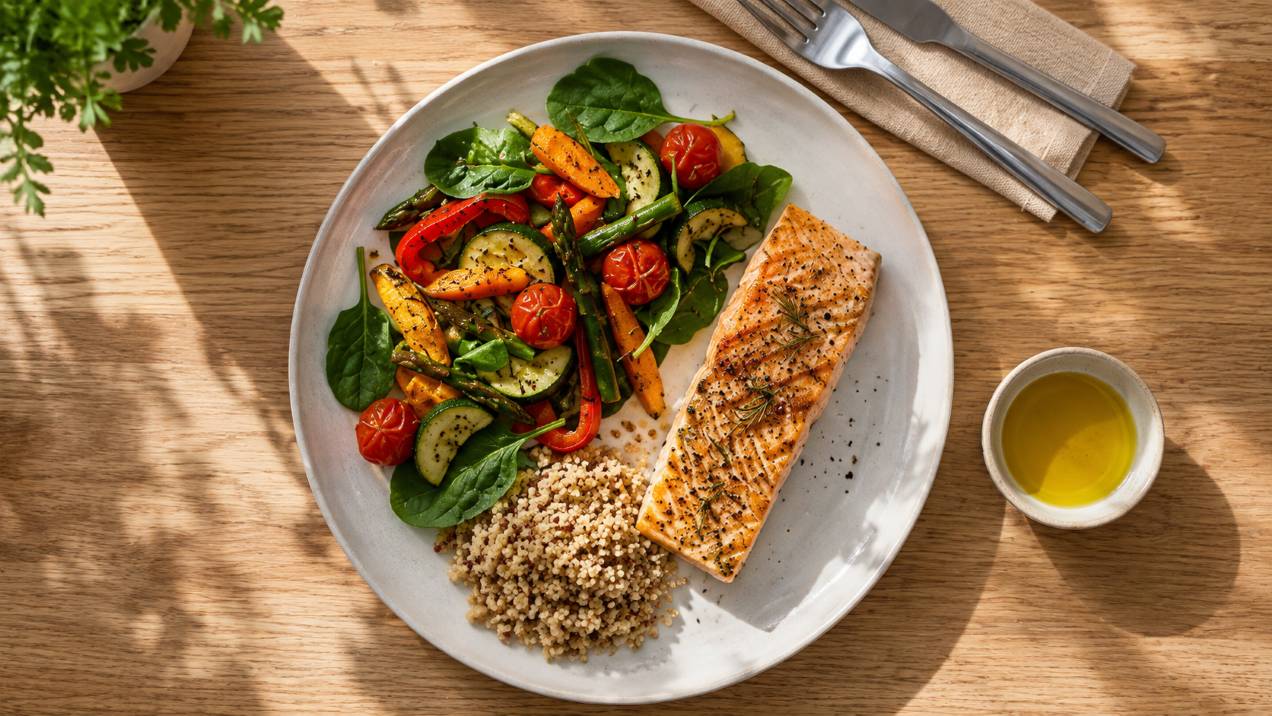
Rather than memorising rules, it helps to have one visual to return to at each meal.
This is not a rigid prescription, and portion sizes vary with your body size, activity level and goals, but the proportions below reflect the shared pattern behind the research above.
Your
Plate
Plate
Just over half: Non-starchy vegetables and fibre-rich plants
Roughly a third: Protein such as fish, poultry, eggs, tofu, beans or lentils
A smaller portion: Unsaturated fat, such as olive oil, nuts or avocado
Serving vegetables and protein before adding starches or fats naturally moderates portion size without requiring you to weigh or count anything.
Wholegrain starchy carbohydrates still belong on the plate; the Eatwell Guide includes them deliberately, and cutting them out entirely is neither necessary nor supported by the evidence in this guide.
Best foods to eat, graded by evidence
If you are looking for the best foods to lose belly fat, the evidence points to a small number of food groups rather than any single miracle ingredient.
The good foods to lose belly fat are, reassuringly, ordinary ones, and most are already in your local supermarket.
Each group below is what the trials actually tested, so if you want the best foods to eat to lose belly fat rather than a list someone assembled for clicks, start here.
To keep this honest, every food group below carries an evidence grade, explained here.
Stronger evidence Supported by randomised controlled trials, or by large cohorts with consistent findings.
Moderate evidence Supported by observational research or smaller trials; direction is consistent but causation is not established.
Supporting role Sensible as part of a good overall pattern, but weak direct evidence for belly fat specifically.
Soluble fibre Moderate evidence
In an observational analysis from the IRAS Family Study, researchers followed adults over five years and compared fibre intake against visceral fat accumulation measured by CT.[4]
Each additional 10 grams of soluble fibre eaten daily was associated with 3.7% less visceral fat gained over that period.
Because this was observational, it demonstrates an association rather than proving that fibre alone caused the difference.
It remains one of the better-studied dietary factors for abdominal fat specifically, and 10 grams is a realistic amount to add rather than an overwhelming one.
A bowl of porridge, a portion of beans or lentils, and two pieces of fruit eaten with the skin on will comfortably get you there.
These are consistently among the best foods to reduce belly fat in the research, and the same foods appear whether you search for the best foods to lose stomach fat or phrase it any other way, because the underlying evidence does not change with the wording.
🥣
OatsPorridge or overnight oats🫘
Beans & lentilsTinned counts, and is cheapest🍎
Apples & pearsEaten with the skin on🥬
Brussels sproutsFrozen works year round🧆
ChickpeasRoast, stew or blend🌾
BarleyCheap, filling, underusedLean protein Stronger evidence
Protein earns its own section further down, but the sources worth building meals around are oily fish, poultry, eggs, tofu, tempeh, Greek yoghurt and legumes.
Protein and fibre together are what most reliably increase fullness at a meal, and fullness is the practical mechanism through which a calorie deficit becomes sustainable rather than a daily test of willpower.
Polyphenol-rich foods Moderate evidence
Returning to DIRECT PLUS, the additional visceral fat reduction in the green Mediterranean group was linked to green tea at three to four cups daily, 28g of walnuts, a polyphenol-rich plant shake, and reduced red meat intake.[2]
The specific aquatic plant used in that Israeli trial is not widely available in the UK, and you do not need it.
These are often marketed as the best foods to eat to burn belly fat, which overstates things considerably, so it is worth being clear about where they actually sit.
🍵
Green tea3–4 cups daily in the trial🫐
BerriesFrozen is equally good🫒
Olive oilExtra virgin where affordable🌰
Walnuts28g daily in the trial
⚠ Keep these in proportion
Green tea, berries and walnuts are optional components of a good overall pattern, not a primary intervention.
In the DIRECT PLUS trial they were added on top of a Mediterranean diet, a calorie deficit and physical activity, so no part of that result should be attributed to green tea alone.
If you drink four cups of green tea a day and change nothing else, you should not expect your waist to change.
Unsaturated fats Supporting role
Olive oil, nuts, seeds, avocado and oily fish support overall diet quality and cardiovascular health, and they help make vegetables genuinely enjoyable to eat.
They are also calorie dense, which is worth remembering; a generous pour of olive oil can quietly add 200 calories to a salad.
How much protein you actually need
Protein deserves singling out because it works through different mechanisms to fibre, and most UK adults eat noticeably less than the amount associated with better outcomes during weight loss.
Protein has a higher thermic effect than fat or carbohydrate, meaning a greater share of its energy is used in digestion and processing.[5]
Clinical reviews have also found that higher-protein diets better preserve resting energy expenditure during a calorie deficit compared with lower-protein diets.[6]
That matters because resting energy expenditure tends to fall during weight loss, which is one reason progress often slows after the first few weeks.
A 2024 systematic review in Clinical Nutrition ESPEN found protein intake below roughly 1.0g per kilogram of body weight daily was associated with greater loss of muscle mass during weight loss, while higher intakes were associated with better preservation.[7]
🎯 Practical protein target for healthy adults
Most research supports 1.2 to 1.6 grams of protein per kilogram of body weight daily during a fat loss phase.
For a 70kg adult, that is roughly 84 to 112 grams a day, spread across three or four meals rather than loaded into one.
This is meaningfully more than a typical UK diet supplies without deliberate planning.
⚠ Important safety exception
Do not apply these protein targets if you have kidney disease, reduced kidney function, or have been advised to limit protein for any medical reason.
Protein requirements in chronic kidney disease are frequently lower, not higher, and are set individually by a renal dietitian or specialist.
The same caution applies in liver disease and in some metabolic conditions. If any of this applies to you, please speak with your clinical team before changing your protein intake. I would rather you skip this section entirely than follow it and come to harm.
Preserving muscle while losing fat is not purely a cosmetic concern.
Muscle supports strength, mobility and long-term function, and losing a large amount of it during weight loss tends to make weight regain more likely afterwards.
The often-repeated claim that muscle dramatically raises your metabolism is somewhat overstated in popular content; the more honest reason to protect it is function and body composition, not a large metabolic bonus.
What to limit, in order of priority
A healthy diet to lose belly fat is defined as much by what it reduces as by what it adds, but not everything deserves equal attention.
Most belly fat content online treats every “bad” food identically, which is unhelpful and, in my experience, quietly responsible for a great deal of unnecessary carbohydrate fear.
Limit most consistently
- Sugar-sweetened drinks, which supply free sugar with almost no fibre or fullness in return
- Highly processed snack foods, typically high in refined starch, sugar and fat simultaneously
- Excess alcohol, at roughly 7 calories per gram and easy to underestimate
These three offer the largest return for the least nutritional sacrifice.
Moderate
- Processed meat, reduced in both Mediterranean arms of DIRECT PLUS
- Foods high in saturated fat, in line with general UK guidance
- Refined carbohydrates, such as white bread and pastries, where a wholegrain version exists
Reduction rather than elimination is what the evidence actually supports here.
Do not needlessly eliminate
- Potatoes, rice, bread and pasta, particularly wholegrain versions
- Whole fruit, where fibre substantially slows sugar absorption
- Carbohydrates as a category
- Dairy, unless you have a specific reason to avoid it
Cutting these out is the single most common unnecessary restriction people make, and it rarely helps.
On free sugar specifically
The UK’s Scientific Advisory Committee on Nutrition recommends free sugars make up no more than 5% of total daily energy, roughly 30 grams for most adults.[8]
Average UK intake exceeds this across most age groups.
Fructose is metabolised differently to glucose, and at high intakes a greater proportion can be converted to fat in the liver.[9]
This is a dose-dependent mechanism relevant to concentrated added sugar, particularly in drinks, and it is not a reason to avoid whole fruit, where fibre, water and volume change the picture entirely.
Simple swaps that add up
Sugary fizzy drink
→
Sparkling water with lime
White bread or bagel
→
Wholegrain or seeded bread
Crisps as a snack
→
Nuts, or Greek yoghurt with fruit
Sweetened coffee or fruit juice
→
Green tea, or coffee without syrup
Struggling to work out which of these actually applies to your situation? A short consultation can turn general guidance into a plan built around your health history, medication and routine.
UK foods that fit, without the price tag
One of the more frustrating things about belly fat content is how often it recommends ingredients that are expensive, imported, or simply unavailable in a normal British supermarket.
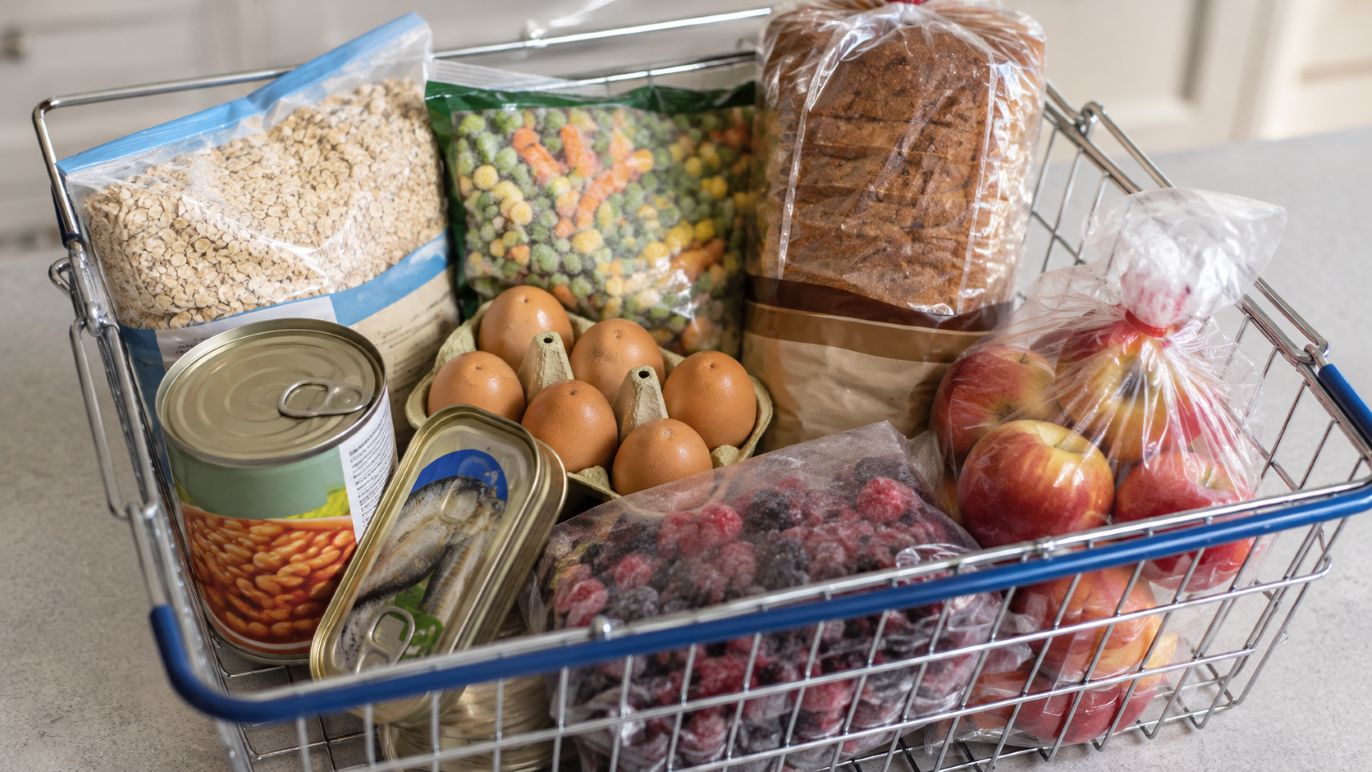
Every food group in this guide can be covered with ordinary items from Tesco, Aldi, Lidl, Sainsbury’s or a local market.
🥣
Porridge oatsCheapest fibre available🥫
Tinned beansBaked, butter, kidney🐟
Tinned sardinesOily fish, very low cost🥚
EggsFast, filling protein🥦
Frozen vegetablesAs nutritious as fresh🥛
Greek yoghurtOwn-brand is fine🥔
PotatoesYes, genuinely🍞
Wholemeal breadCheck fibre per slice🫐
Frozen berriesCheaper than freshYou do not need expensive superfoods, imported ingredients or supplements to build the best diet to lose belly fat, and any article implying otherwise is usually selling something.
Tinned, frozen and own-brand versions of these foods perform the same job as premium equivalents.
If you have been searching for the best tummy fat burning foods or the best diet to reduce tummy fat, this list is the honest answer: unglamorous, affordable, and genuinely supported by the research above.
Your shopping list, organised
Rather than re-reading this guide in the supermarket, here is everything above grouped by the job it does.
🌾 Soluble fibre
- Porridge oats
- Tinned beans and lentils
- Chickpeas
- Apples and pears
- Brussels sprouts
- Pearl barley
🐟 Protein
- Sardines, mackerel or salmon
- Chicken or turkey
- Eggs
- Tofu or tempeh
- Greek yoghurt
- Cottage cheese
🍵 Polyphenol-rich
- Green tea
- Frozen berries
- Extra virgin olive oil
- Walnuts
🥕 Base vegetables
- Frozen mixed vegetables
- Onions and garlic
- Tinned chopped tomatoes
- Spinach or kale
- Carrots
A 7-day example meal plan
This is an example framework, not a prescription.
Portion sizes are deliberately not specified, because the right amount depends on your body size, activity level, age and goals, and a plan that gives everyone identical portions will be wrong for almost everyone.
Use the plate proportions from earlier to scale each meal, and please treat this as a shape to borrow from rather than a rota to follow exactly.
MON
Breakfast · Porridge oats with frozen berries and a spoon of Greek yoghurt
Lunch · Chicken or chickpea salad with mixed leaves, tomatoes and olive oil dressing
Dinner · Baked salmon, new potatoes and steamed greens
If needed · An apple, or a small handful of walnuts
TUE
Breakfast · Eggs on wholemeal toast with grilled tomatoes
Lunch · Lentil soup with a wholegrain roll
Dinner · Chicken and vegetable stir fry with brown rice
If needed · Greek yoghurt with berries
WED
Breakfast · Overnight oats with milk or kefir, seeds and grated apple
Lunch · Tinned sardines or mackerel on wholemeal toast with salad
Dinner · Bean and vegetable chilli with a small portion of rice
If needed · A pear, or cottage cheese
THU
Breakfast · Greek yoghurt with oats, walnuts and berries
Lunch · Leftover chilli, or a chickpea and roasted vegetable bowl
Dinner · Turkey or tofu meatballs with tomato sauce and wholewheat pasta
If needed · Carrot sticks with hummus
FRI
Breakfast · Scrambled eggs with spinach and wholemeal toast
Lunch · Jacket potato with baked beans and a side salad
Dinner · Grilled white fish or halloumi, barley and roasted vegetables
If needed · A small handful of nuts
SAT
Breakfast · Full breakfast, grilled rather than fried, with beans and mushrooms
Lunch · Soup and a wholegrain sandwich, or leftovers
Dinner · A meal out or a takeaway, chosen without guilt
If needed · Fruit
SUN
Breakfast · Porridge, or eggs with vegetables
Lunch · Roast chicken or nut roast with potatoes and plenty of vegetables
Dinner · Something light, such as soup or an omelette with salad
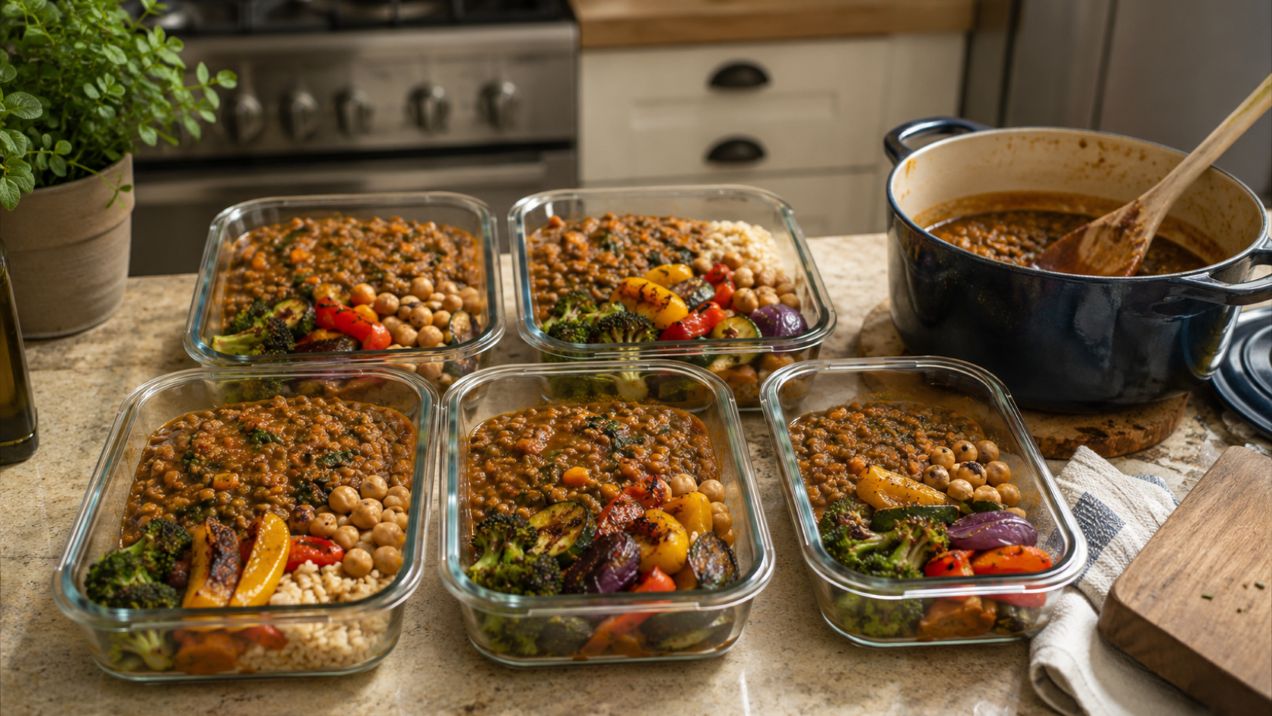
Batch cook · Make a soup, chilli or grain base for the week ahead
🌱 Adapting this plan
Vegetarian: replace fish and poultry with eggs, dairy, tofu, tempeh, beans and lentils. The plan is already close to this on several days.
Vegan: use tofu, tempeh, beans, lentils and fortified plant yoghurts, and pay particular attention to B12, iodine, iron and omega-3 sources.
Halal or kosher: every element adapts directly with appropriately sourced meat, or by using the vegetarian options.
Budget: tinned fish, tinned pulses, frozen vegetables, oats and eggs cover most of this plan at low cost.
Gluten-free: swap oats for certified gluten-free oats, and bread and pasta for gluten-free wholegrain alternatives.
Notice that Saturday evening is a meal out, deliberately.
A plan with no flexibility built into it is a plan most people abandon within a month, which helps nobody’s waist measurement.
Turn this plan into your numbers
This meal plan is a shape, not a calorie target. Our free My Fitness Tracker works out your personal calorie, protein and fibre targets, then tracks your waist and weight over time so you can see whether the plan is actually working for you.
Use My Fitness Tracker →A realistic 4-week plan
Trying to change everything on day one is the most common reason dietary changes do not last.
This phased approach introduces one focus each week, so each change has time to become habitual before the next arrives.
Week 1
Add one soluble fibre food to two meals daily. Swap one sugary drink for water or green tea. Change nothing else.
Week 2
Build every main meal around a clear protein source, using the plate proportions from this guide.
Week 3
Halve ultra-processed snacks and processed meat. Add two polyphenol-rich foods you actually enjoy.
Week 4
Reassess using waist circumference, not weight alone. Keep what worked and adjust what did not.
By week four, many people notice a change in how clothing fits before the scale shows much movement, which is normal rather than a sign the plan is failing.
How to measure whether it is working
You can follow the best diet to lose belly fat perfectly and still conclude it is not working, purely because you are measuring the wrong thing.
Most people judge a diet by the bathroom scale, which is the single least informative measurement available for belly fat specifically, and it is the reason a lot of people give up on a plan that was actually working.
Waist circumference tracks abdominal fat far more usefully, but only if you measure it consistently.
📏 Waist measurement protocol
- Measure directly against skin, or over a single thin layer, not over clothing.
- Find the midpoint between the bottom of your ribs and the top of your hip bone, and use that same point every time.
- Stand relaxed, arms at your sides.
- Breathe out normally and measure at the end of that breath. Do not hold your breath or pull your stomach in.
- Keep the tape level and snug, without compressing the skin.
- Take two readings and record the average.
- Measure at the same time of day, ideally in the morning before eating.
- Reassess every 4 to 6 weeks, not daily.
Alongside this, record weight as a weekly average rather than reacting to any single morning, since normal fluctuations in fluid, food volume and hormones easily mask real change.
Waist-to-height ratio is a useful additional measure, and one NICE guidance also supports alongside BMI: your waist ideally sits below half your height, which conveniently requires no reference table.[11]
⚠ What a tape measure cannot do
Waist circumference is a proxy, not a direct measurement of visceral fat.
It cannot distinguish visceral from subcutaneous fat, and it does not replace clinical assessment or imaging such as MRI or DXA, which is what the studies in this guide actually used.
It is simply the best tool available at home, and considerably more useful than weight alone.
Belly fat or bloating? How to tell the difference
A meaningful number of the people who come to me wanting to lose belly fat are not actually dealing with fat at all.
Bloating and abdominal distension can look and feel similar in the mirror, but they behave completely differently, and the distinction changes what you should do next.
| Sign | More like bloating | More like fat |
|---|---|---|
| Pattern through the day | Fluctuates, often worse by evening | Stable from morning to night |
| After meals | Noticeably worse | Largely unchanged |
| Overnight | Often much flatter by morning | Unchanged |
| Feel | Tight, gassy, sometimes uncomfortable | Soft, no discomfort |
| Other symptoms | Wind, changes in bowel habit, cramping | Usually none |
| Timescale of change | Hours | Weeks to months |
If your abdomen is noticeably flatter in the morning and distended by evening, that pattern points toward bloating rather than fat, and no amount of calorie restriction will address it.
⚠ When bloating needs a GP, not a diet
Please book a GP appointment rather than changing your diet if abdominal distension is:
- Persistent rather than fluctuating, particularly if new
- Accompanied by pain, or a change in bowel habit lasting more than three weeks
- Accompanied by unexplained weight loss, or bleeding
- Associated with feeling full very quickly when eating
Persistent bloating is on the NHS list of symptoms warranting assessment, particularly in women, because it can occasionally indicate conditions that require prompt investigation.
For women, cyclical bloating that tracks with your menstrual cycle is common, and firm lower-abdominal swelling can sometimes relate to fibroids, which our guide on fibroids and belly fat covers in detail.
Can you lose belly fat without losing weight?
Yes, and this catches a lot of people out, including several who have sat in my clinic convinced they were failing.
Because muscle and fat differ in density, it is entirely possible to lose fat and gain muscle at roughly the same rate, leaving your scale weight almost unchanged while your waist reduces and your clothes fit differently.
This is often called body recomposition, and it is most common in people who are new to resistance training, returning after a break, or eating adequate protein in a moderate rather than aggressive deficit.
It is also why judging the best diet to lose belly fat purely by the scale can be actively misleading in the first two to three months.
📈 Signs it is working even when weight is static
Waist circumference reducing, even by one or two centimetres.
Clothes fitting differently around the middle, particularly waistbands.
Strength increasing in training, or daily tasks feeling easier.
Energy, sleep quality or blood markers improving at a routine check.
This is precisely why the measurement protocol above records waist and weight together rather than weight alone.
Where to focus first, ranked
If the full guide feels like a lot to absorb at once, this is the order the evidence supports, with each item labelled by how strong that evidence actually is.
1
Establish a moderate, sustainable calorie deficit Stronger evidence
Nothing else in this guide works without it. Moderate rather than aggressive, because visceral fat responds to months of consistency rather than weeks of restriction.
2
Get enough protein and fibre at each meal Stronger evidence
The practical mechanism that makes a deficit tolerable rather than a daily battle, while protecting muscle.
3
Shift toward a minimally processed dietary pattern Stronger evidence
The common thread across DIRECT PLUS, DIETFITS and the Eatwell Guide analysis, regardless of which specific pattern you choose.
4
Reduce sugary drinks and alcohol Moderate evidence
Often the fastest meaningful change available, particularly where current intake is regular rather than occasional.
5
Add physical activity, especially resistance training Stronger evidence
Consistently associated with greater visceral fat reduction than diet alone, and central to preserving muscle.
6
Add polyphenol-rich foods Moderate evidence
Worthwhile, but genuinely last on this list. An optional refinement to a good pattern, not a substitute for one.
This ranking reflects the strength and consistency of the underlying evidence, not how easy each change feels in practice.
Do not be surprised if item one turns out to be harder than item six.
Common mistakes that stall progress
These are the patterns I see most often in people who are, on paper, already following the best diet to lose belly fat and still not getting anywhere.
- Cutting calories too aggressively. Large deficits increase muscle loss and rarely survive contact with a busy month, undoing the protein-sparing benefits described earlier.
- Judging progress by weight alone. As the section above explains, waist and weight can move independently for months.
- Eliminating whole food groups unnecessarily. Particularly carbohydrates, which the tiered list above deliberately places in the “do not needlessly eliminate” category.
- Treating green tea or a single food as the intervention. In the trial these came from, they were added on top of an already good diet, a deficit and exercise.
- Ignoring alcohol while tracking food meticulously. Liquid calories are consistently underestimated.
- Expecting results in days. The trials in this guide measured change over 12 to 18 months.
- Changing the plan every fortnight. Give any approach at least 4 to 6 weeks of consistency before judging it.
Safety: who should get medical advice first
General guidance like this suits most healthy adults, but it is genuinely not appropriate for everyone, and I am not willing to pretend otherwise for the sake of a tidier article.
⚠ Speak to your GP, specialist or a registered dietitian before following this guide if you
- Are pregnant or breastfeeding. Calorie restriction is generally not appropriate.
- Have type 1 or type 2 diabetes, or take insulin or other glucose-lowering medication. Changing carbohydrate intake can require medication adjustment and risks hypoglycaemia.
- Have kidney disease or reduced kidney function. The protein targets here may be unsuitable.
- Have liver or gallbladder disease, where fat and protein intake may need individual adjustment.
- Have a current or past eating disorder, or a difficult relationship with food. Calorie tracking and food restriction can be harmful.
- Are under 18. Growth and development needs differ, and weight-focused advice is best given individually.
- Have had bariatric surgery, where nutritional requirements are specialised and lifelong.
- Are an older adult at risk of muscle loss, where preserving muscle and bone takes priority over weight reduction.
- Take medication affected by diet, such as warfarin, which interacts with vitamin K in leafy greens.
None of this means the principles here are irrelevant to you. It means they should be adapted by someone who knows your full history.
If you are not sure where you sit, the NHS provides free weight management guidance, and you can find a registered dietitian through the British Dietetic Association.
When diet alone is not enough
💬 From Joanna
Most of the women I see in clinic have already tried to eat better before they come to me, and many are doing more right than they realise.
When belly fat genuinely will not shift despite months of consistent, sensible changes, the cause is sometimes not the diet at all.
Thyroid function, insulin resistance, chronically raised cortisol, and for some women conditions such as PCOS or fibroids, can all contribute.
I want to be careful here, though. These are not the usual explanation for ordinary difficulty losing weight, and assuming a hormonal cause too early can delay changes that would actually help. They are worth investigating when sustained effort has genuinely not produced results, not as a first assumption.
Diet also works best alongside movement rather than instead of it.
In a Cambridge cohort study of 7,256 UK adults followed for around seven years, published in JAMA Network Open, people who improved both diet quality and physical activity together had on average 1.9kg less total body fat gain and 150g less visceral fat than those who improved neither.[12]
As a cohort study this demonstrates association rather than proving causation, though the direction agrees with the randomised trial evidence discussed earlier.
If exercise is the piece you have not yet addressed, our companion guide covers the 12 best exercises to lose belly fat, selected for their effect on visceral fat rather than general calorie burn.
For the complete overview across diet, exercise, sleep and stress, see our main guide to the best way to lose belly fat.
Women navigating hormonal factors may find our guide on losing belly fat in women useful, and if you are considering clinical support alongside diet, our guide to stomach and tummy fat removal covers the treatment options honestly, including who they are and are not suitable for.
Some clients also use IV vitamin therapy for energy support while adjusting to a new routine, and if you are new to us, our clinic overview explains the full range of support available.

Not getting the results your effort deserves?
If you have eaten well and consistently for three to four months without meaningful change in your waist, a clinical picture is more useful than another diet.
Hormonal and metabolic health screening at J Artistry Clinic tests thyroid function, fasting insulin, cortisol and other markers that can quietly work against you.
J Artistry Clinic · Arches Estate, Spon End, Coventry, CV1 3JQ
Mon to Sat 10am to 8pm · Same-week appointments often available
Prefer to start on your own? Build a free plan with My Fitness Tracker
Mon to Sat 10am to 8pm · Same-week appointments often available
Prefer to start on your own? Build a free plan with My Fitness Tracker
If you are in the menopause transition, protein and muscle preservation matter even more than the general case, and our guide to menopause belly fat explains why. If you have considered supplementing rather than changing what you eat, our evidence review of belly fat burners is worth reading first.
Frequently asked questions
For most people, the best-supported approach is a Mediterranean-style eating pattern built on the principles of the UK Eatwell Guide: plenty of vegetables, legumes, wholegrains, fruit, lean protein and unsaturated fats, with limited red meat, free sugar and ultra-processed food, combined with a moderate calorie deficit.
A 2026 UK Biobank analysis of 156,764 adults found high adherence to the Eatwell Guide was associated with 25% lower odds of overweight or obesity compared with low adherence.
The DIRECT PLUS randomised trial found a green Mediterranean diet reduced visceral fat by 14.1% over 18 months, against 6.0% for a standard Mediterranean diet and 4.2% for general healthy dietary guidelines.
No single named diet is superior for everyone, and the one you can sustain will outperform the one you abandon.
No. No individual food burns, melts or eliminates belly fat on its own, regardless of how it is marketed.
Fat loss from any part of the body results from a sustained calorie deficit combined with overall diet quality.
Some foods and dietary patterns are associated with greater visceral fat reduction in trials, but this works through overall diet composition, appetite regulation and adherence, not by targeting fat cells in one location.
Prioritise soluble-fibre foods such as oats, beans, lentils, apples, pears and Brussels sprouts, alongside lean protein such as fish, poultry, eggs, tofu, Greek yoghurt and legumes.
Include unsaturated fats from olive oil, nuts and avocado, plus polyphenol-rich foods such as green tea and berries.
In an observational analysis from the IRAS Family Study, each additional 10 grams of soluble fibre eaten daily was associated with 3.7% less visceral fat gained over five years. Because that study was observational, it shows an association rather than proving cause and effect.
Limit sugar-sweetened drinks, highly processed snack foods and excess alcohol most consistently.
Moderate processed meat, foods high in saturated fat and refined carbohydrates.
UK guidance from SACN recommends free sugars make up no more than 5% of daily energy, roughly 30g for adults.
Importantly, you do not need to eliminate potatoes, rice, bread, fruit or carbohydrates generally, which is a common and unhelpful misconception in belly fat content.
In a DXA sub-analysis of the DIETFITS randomised trial published in the International Journal of Obesity, participants on a healthy low-carbohydrate diet lost more visceral fat than those on a healthy low-fat diet at both 6 and 12 months.
However, both diets emphasised whole, minimally processed foods rather than simply restricting one macronutrient, and the parent trial found no significant difference in overall weight loss between them.
A very restrictive low-carbohydrate approach is not necessary for most people.
Research generally supports around 1.2 to 1.6 grams of protein per kilogram of body weight daily during a fat loss phase for healthy adults.
Protein has a higher thermic effect than fat or carbohydrate and supports fullness and muscle retention during a deficit.
Important safety note: people with kidney disease, or anyone advised to restrict protein for a medical reason, should not follow these targets without direct medical supervision.
Yes, and it is reasonably common, particularly when resistance training is involved.
Because muscle and fat differ in density, you can lose fat while gaining muscle, leaving scale weight relatively unchanged while your waist reduces.
This is why waist circumference and how clothes fit are more informative than weight alone, and why judging a diet purely by the scale can mislead you in the first few months.
They are different and frequently confused.
Bloating typically fluctuates within a day, often worsening after meals or by evening, may come with wind, discomfort or changes in bowel habit, and often resolves overnight.
Fat accumulation is comparatively stable day to day and does not resolve with rest.
If abdominal distension is persistent, new, or accompanied by pain, changes in bowel habit or unexplained weight loss, that warrants a GP appointment rather than a diet change.
In the DIRECT PLUS trial, the full 14.1% visceral fat reduction was recorded after 18 months of sustained dietary change.
Many people notice waist circumference changes within roughly 6 to 12 weeks, though this varies considerably by starting point, sex, age and hormonal factors, and should be treated as a general tendency rather than a promise.
Research suggests visceral fat often responds somewhat earlier than subcutaneous fat.
Diet alone can reduce visceral fat, but combining it with physical activity is associated with meaningfully greater results.
In a Cambridge cohort study of 7,256 UK adults followed for around seven years, published in JAMA Network Open, people who improved both diet quality and physical activity together had on average 1.9kg less total body fat gain and 150g less visceral fat than those who improved neither.
As a cohort study this shows association rather than proving causation, but the direction is consistent with trial evidence.
Speak to a healthcare professional before following the guidance here if you are pregnant or breastfeeding, have type 1 or type 2 diabetes or take glucose-lowering medication, have kidney, liver or gallbladder disease, have a history of disordered eating, are under 18, or have had bariatric surgery.
Also see your GP if you have made sustained changes for three to four months without meaningful waist change, since thyroid function, insulin resistance, PCOS or fibroids can occasionally contribute and are worth ruling out.
Practical food ideas and clinic updates on Instagram
Realistic meals, honest guidance and what we are actually seeing in clinic each week.
Follow @jartistryclinic →References
Every figure in this guide has been checked against the original publication. Study type and key limitations are noted so you can weigh the evidence yourself.
- Griffiths A, Gregory S, Malcomson FC, et al. Adherence to the Eatwell Guide and associations with markers of adiposity: a prospective analysis within the UK Biobank cohort. International Journal of Obesity, 2026. Prospective cohort study, n=156,764 UK adults. Observational: shows association, not causation. doi.org/10.1038/s41366-026-02190-4
- Zelicha H, Kloting N, Kaplan A, et al. The effect of high-polyphenol Mediterranean diet on visceral adiposity: the DIRECT PLUS randomized controlled trial. BMC Medicine, 2022;20:327. Randomised controlled trial, n=294, 18 months, VAT measured by MRI. Limitation: 88% male, mean age 51, Israeli workplace cohort. doi.org/10.1186/s12916-022-02525-8
- Follis S, Landry MJ, Cunanan KM, et al. Effect of low-carbohydrate vs low-fat diet intervention on visceral fat estimated from dual energy X-ray absorptiometry in a 12-month randomized controlled trial. International Journal of Obesity, 2026;50(3). Secondary DXA analysis of the DIETFITS randomised trial; 449 of 609 randomised participants had usable scans. doi.org/10.1038/s41366-025-01989-x
- Hairston KG, Vitolins MZ, Norris JM, et al. Lifestyle factors and 5-year abdominal fat accumulation in a minority cohort: the IRAS Family Study. Obesity, 2012;20(2):421-427. Observational cohort, 5-year follow-up, visceral fat measured by CT. Association only. pubmed.ncbi.nlm.nih.gov/21681224
- Halton TL, Hu FB. The effects of high protein diets on thermogenesis, satiety and weight loss: a critical review. Journal of the American College of Nutrition, 2004;23(5):373-385. Narrative review. pubmed.ncbi.nlm.nih.gov/15466943
- Leidy HJ, Clifton PM, Astrup A, et al. The role of protein in weight loss and maintenance. The American Journal of Clinical Nutrition, 2015;101(6):1320S-1329S. Review of randomised trials. pubmed.ncbi.nlm.nih.gov/25926512
- Systematic review on protein intake and muscle mass preservation during weight loss in adults with overweight or obesity. Clinical Nutrition ESPEN, 2024. Systematic review and meta-analysis.
- Scientific Advisory Committee on Nutrition (SACN). Carbohydrates and Health. UK Government, 2015. National dietary guidance. Free sugars recommended at no more than 5% of total dietary energy. gov.uk/government/publications
- Stanhope KL. Sugar consumption, metabolic disease and obesity: the state of the controversy. Critical Reviews in Clinical Laboratory Sciences, 2016;53(1):52-67. Mechanistic review. Effects are dose-dependent and relate to concentrated added sugar rather than whole fruit. pubmed.ncbi.nlm.nih.gov/26376619
- NHS. The Eatwell Guide. UK national healthy eating model. nhs.uk/live-well/eat-well
- National Institute for Health and Care Excellence (NICE). Obesity: identification, assessment and management (CG189). Clinical guideline. Supports waist-to-height ratio alongside BMI. nice.org.uk/guidance/cg189
- Aryannezhad S, Imamura F, De Lucia Rolfe E, Griffin SJ, Wareham NJ, Brage S, Forouhi NG. Concurrent Changes in Diet Quality and Physical Activity and Association With Adiposity in Adults. JAMA Network Open, 2025;8(11):e2545232. Prospective cohort study, n=7,256 UK adults, mean 7.2 years follow-up, Fenland Study. Observational. doi.org/10.1001/jamanetworkopen.2025.45232
- British Dietetic Association. Find a Dietitian. Professional register for individualised dietetic care. bda.uk.com
- NHS. Better Health: Lose Weight. Free NHS weight management guidance and tools. nhs.uk/better-health/lose-weight
Corrections and editorial policy. Every statistic in this article was checked against the original published paper before publication on 21 August 2026, and the study type and key limitations are stated openly so you can weigh the evidence yourself. If you spot an error, please contact info@jartistryclinic.com and we will review it. J Artistry Clinic provides paid clinical services; this article is educational and its recommendations do not require any purchase.